We remain fully operational. Our teams are working around the clock to ensure your deliveries continue safely.

Descargar la aplicación


Servicios al cliente
Sobre nosotros
Copyright © 2025 Desertcart Holdings Limited
Descargar la aplicación
![From Up On Poppy Hill [Blu-ray] [Region B]](/_next/image?url=https%3A%2F%2Fm.media-amazon.com%2Fimages%2FI%2F81VBFG6JfAL.jpg&w=3840&q=75)
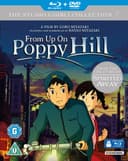


****--Little White Lies From the legendary and highly celebrated Studio Ghibli (Spirited Away, Ponyo, Arrietty) comes From Up on Poppy Hill, the uniquely inspired and highly anticipated coming-of-age story from Goro Miyazaki and Hayao Miyazaki. Set in Yokohama in 1963, this lovingly hand-drawn film centers on Umi (voiced by Sarah Bolger) and Shun (voiced by Anton Yelchin) and the budding romance that develops as they join forces to save their high school’s ramshackle clubhouse from demolition. Review: Rewatchable, underrated Ghibli gem. - This Ghibli offering is imbued with a sense of 'departed reality', which could be seen as nostalgia, but I don't think that it's as simple as that. One of the great things about these Miyazaki films (Hideo's lasting legacy) is the pleasure of minute observation. This is integrated into the storyline in a seamless way that is in itself very satisfying- its the real film maker's craft and you'll find it here in spades. If you liked 'Whisper of the Heart' then this is a development of the themes of personal development within the matrix of a bumpy love story but without the high art themes found in the earlier film. It's more down to earth with some historical concerns. It has great, well observed characters and some deeply felt moments. Review: A simply wonderful film. - This is about as far from an action film as you can get. However, there are plenty of other productions which will give you as much action and fantasy as you want, whereas a story which simply portrays the lives of ordinary Japanese people with such charm and sensitivity is quite rare, and few do it better than Ghibli. The plot centres around the activities of various young people, and their attempts to prevent their old clubhouse from being demolished to make way for a new one. The children are perceptively observed and inhabit a rich environment of beautiful artwork with marvellous attention to detail. There is considerable humour in this story, and some fascinating observations of ordinary Japanese culture. Do they really keep vegetables under the floorboards? The screenplay and direction is gentle and sympathetic and the apparently unremarkable story is raised out of the mundane by good dialogue and believable characters, whilst a romantic relationship with a twist develops between the two main protagonists. Needless to say, this charming film is quite suitable for all ages. Studio Ghibli has done it again.
| ASIN | B00D48ZPR8 |
| Best Sellers Rank | 33,974 in DVD & Blu-ray ( See Top 100 in DVD & Blu-ray ) 12,365 in Blu-ray |
| Customer reviews | 4.7 4.7 out of 5 stars (2,266) |
| Director | Goro Miyazaki |
| Is discontinued by manufacturer | No |
| Language | English, Japanese |
| Manufacturer reference | 5055201823700 |
| Number of discs | 2 |
| Producers | Chizuru Takahashi, Geoffrey Wexler, Tetsurô Sayama, Toshio Suzuki |
| Product Dimensions | 13.5 x 1.5 x 17.2 cm; 80 g |
| Rated | Universal, suitable for all |
| Release date | 23 Sept. 2013 |
| Run time | 1 hour and 32 minutes |
| Studio | Studiocanal |
| Writers | Hayao Miyazaki, Keiko Niwa |
P**.
Rewatchable, underrated Ghibli gem.
This Ghibli offering is imbued with a sense of 'departed reality', which could be seen as nostalgia, but I don't think that it's as simple as that. One of the great things about these Miyazaki films (Hideo's lasting legacy) is the pleasure of minute observation. This is integrated into the storyline in a seamless way that is in itself very satisfying- its the real film maker's craft and you'll find it here in spades. If you liked 'Whisper of the Heart' then this is a development of the themes of personal development within the matrix of a bumpy love story but without the high art themes found in the earlier film. It's more down to earth with some historical concerns. It has great, well observed characters and some deeply felt moments.
S**R
A simply wonderful film.
This is about as far from an action film as you can get. However, there are plenty of other productions which will give you as much action and fantasy as you want, whereas a story which simply portrays the lives of ordinary Japanese people with such charm and sensitivity is quite rare, and few do it better than Ghibli. The plot centres around the activities of various young people, and their attempts to prevent their old clubhouse from being demolished to make way for a new one. The children are perceptively observed and inhabit a rich environment of beautiful artwork with marvellous attention to detail. There is considerable humour in this story, and some fascinating observations of ordinary Japanese culture. Do they really keep vegetables under the floorboards? The screenplay and direction is gentle and sympathetic and the apparently unremarkable story is raised out of the mundane by good dialogue and believable characters, whilst a romantic relationship with a twist develops between the two main protagonists. Needless to say, this charming film is quite suitable for all ages. Studio Ghibli has done it again.
R**S
What a wonderful, healing movie
What a wonderful, healing movie. I agree with so many of the reviews here. What can I usefully add.. The music and songs are great (and may stick inside your head) and span many styles of Japanese music. I found it worth watching both English dubbed and subtitled Japanese versions, as the dubbed version is Americanized not only in language but in its characterization of the people (like: much more aggressive than the Japanese version); AND the two versions (dub/s.title) give a much fuller account of the Japanese original when combined. Finally, I love the detail of the animation, like: the way the mother closes her eyes briefly as she gets up before comforting her daughter; there's plenty of examples like this, and spotting them is entertaining as well as engrossing. I highly recommend this movie; it's one of the very best Ghibli movies, imo, if you are not looking for fantasy action animation. I have watched it many times. PS, photo is for Hecate, who wondered in her review whether Japanese really store vegetables in the floor.
O**E
A gentle story of life and love, lost and found
While very different from other Studio Ghibli productions, From Up on Poppy Hill is well worth watching. The animation, colouring and art are all superb, and the music is catchy, haunting and moving by turns. Essentially an urban story, the viewer will notice that the majority of characters look more like real Japanese people, instead of the bland, big-eyed homogeneous humans with essentially Western features that populate many anime films. Having seen the Japanese-with-English-subs several times, I was eager to buy it on DVD. However I was surprised that in the English dub, the film starts with a long English recital explaining the backstory of Ume's family. Why was this considered necessary? I'm no Einstein, but I was able to figure the relationships out as we went along without that, even when reading subtitles. Does the distributor really believe that the English-speaking audience is too slow on the uptake to understand what they're seeing? Also, the English subtitles available are the ones that go with the original Japanese script; however the English dub changes and adds many lines, so that a person who wishes to use the subtitles to aid poor hearing will be confused. If they are going to mess around with the script to that extent, they should provide better subtitling for the English version, as they did when Totoro was released on disc. Looks like the English translating/dubbing team got lazy. Many of the traditional Ghibli motifs are present (physically or emotionally absent parents, the adolescent girl who has to take on heavy responsibility to keep the home functioning, life-changing events involving losses of many kinds) but there is none of the fantasy-magical element many might automatically expect. Instead, the coming of age story is worked out in more realistic ways. Umi's quest to find closure for her father's disappearance during Japan's war with Korea is paralleled in the students' struggle to preserve their beloved clubhouse, Shun's quest for the truth about his own past, and the search on the part of several characters for many kinds of love: parental, romantic, even peer-group approval. Set against the backdrop of the 1964 Tokyo Olympics, the "voyage of discovery" takes place on the "sea inside" each human life and heart. What they find there creates a very real kind of magic. I watched the credits, as often the "final scenes" of Ghibli's films are played out in stills (as in the case of Totoro, or Kiki's Delivery Service). While we aren't given all the answers in a nice, neat package, I felt that I knew what the future held for these people, and it was good. If only the subtitles had been up to standard with the content of the film, I would have given 5 stars. As a professional translator myself, I can only offer 4.
L**N
Finest Studio Ghibli stuff
Lovely coming of age story from 1960s.
A**Y
Stunning
The Blu Ray presentation here is delightful, and does justice to a wonderful film. As usual, the quality of animation by Studio Ghibli is sublime and viewing would be recommended for the artwork alone, yet the story is a subtle drama that is beautiful in itself. World details and depth of character give an insight into life which is rarely seen in mainstream animation, with a lovely melancholy feeling throughout permeated with moments of joy building towards a uplifting ending.
T**P
私は大好きな作品です。 カルチェラタンの掃除のシーンは何度見ても幸せな気分になれます。 黒点観測の話とか、潔くて素晴らしい。
L**N
Aspetto e Confezione: Il blu-ray si presenta nel suo tipico astuccio slim blu, contenente il solo disco senza ulteriore materiale informativo o da collezione. Edizione semplice solo disco! Trama: La storia è ambientata a Yokohama nel 1963, un anno prima dei giochi della XVIII Olimpiade di Tokyo, che furono il segnale della avvenuta ricostruzione del Giappone dopo la guerra e sancirono il definitivo riconoscimento internazionale della nazione. Umi è una ragazza di 16 anni, suo padre è morto in mare durante la guerra di Corea, quando la sua nave ha urtato una mina. Sua madre invece è docente universitaria negli Stati Uniti ed è spesso assente per lavoro. La ragazza vive quindi con la nonna e i fratelli minori in una grande casa ricavata da un ex ospedale, costruito sulla "collina dei papaveri" che domina il porto. Nella casa, oltre a loro, abitano anche tre ragazze pensionanti. Umi ogni mattina issa due bandiere di segnalazione marittima che significano "prego per una navigazione sicura", così come le aveva insegnato il padre da piccola. Shun è un ragazzo di 17 anni ed ogni mattina arriva al porto sul rimorchiatore del padre adottivo per poi andare a scuola. Vede sempre quello strano rituale con le due bandiere che si ripete giorno dopo giorno e ne è talmente incuriosito da scriverci una poesia (una sorta di "messaggio in bottiglia" verso la misteriosa ragazza delle bandiere) che pubblica sul giornale della scuola. Umi e Shun si incontrano per la prima volta a scuola, nel corso di un'azione di protesta che vede protagonista il ragazzo e che lascia ad Umi un'impressione piuttosto negativa. I due si incontrano di nuovo quando Umi accompagna la sorella minore a chiedere un autografo a Shun, e scopre che il ragazzo fa parte del club di letteratura ed è il responsabile della pubblicazione del giornalino scolastico. Umi finisce per entrare nel club come copista, per aiutare Shun, il quale è dolorante a una mano a causa del graffio di un gatto. Intanto la scuola è in fermento per le accese discussioni che si scatenano circa la necessità di salvare o meno dalla demolizione il "Quartier Latin", un edificio adibito a sede dei club scolastici, carico di storia e di ricordi ma ormai vecchio e fatiscente. Il Giappone si sta velocemente modernizzando e per il vecchio edificio non c'è più posto: ormai la dirigenza della scuola ha deliberato per la sua demolizione, ma una parte degli studenti preme per salvaguardare la struttura e la storia che rappresenta. Su iniziativa di Umi molti studenti si rendono disponibili a ristrutturare l'edificio e restituirlo alla sua vecchia gloria. Durante i lavori la ragazza ha modo di approfondire la conoscenza di Shun e i due cominciano a sviluppare dei sentimenti di affetto reciproci. Umi racconta a Shun di suo padre e della sua morte, mostrandogli una fotografia dell'uomo. Il ragazzo però rimane stupito nel vedere in mano all'amica la stessa foto che possiede anche lui e, dopo una serie di ricerche, arriva a scoprire la verità sul suo conto: il suo vero padre è proprio il padre di Umi, che lo ha affidato ai suoi attuali genitori adottivi quando era ancora in fasce. La nuova rivelazione rende i due ragazzi di fatto fratello e sorella e Shun si allontana da Umi per evitare coinvolgimenti ulteriori. Da principio la ragazza è disorientata dal repentino cambiamento dell'amico, ma quando il ragazzo le rivela i suoi dubbi, ella non può fare altro che accettare la situazione. Dopo un grande impegno collettivo gli studenti completano la ristrutturazione del "Quartier Latin", ma sono delusi e amareggiati quando ricevono la notizia che Tokumaru, un influente sponsor della scuola, ha già preso la decisione di demolire il vecchio edificio per far posto ad una nuova struttura. Nel disperato tentativo di prevenire la demolizione, gli studenti nominano Shun, Umi e Shirō come loro rappresentanti per andare a Tokyo a persuadere Tokumaru a cambiare idea. I tre convincono il magnate a venire ad ispezionare il "Quartier Latin" di persona. Nel mentre Umi e Shun aspettano il tram per tornare a casa, la ragazza confessa che nonostante siano fratelli lei non potrà mai ignorare i sentimenti che prova per lui. Anche il ragazzo dichiara la stessa cosa. Intanto la madre di Umi torna dall'America, e la ragazza si confronta con lei per scoprire la verità circa il passato di Shun. La donna le rivela che il ragazzo non è il figlio biologico del padre di Umi, ma che era stato registrato come tale per prevenire che potesse essere messo in orfanotrofio in seguito alla morte del suo vero padre durante la guerra di Corea. I genitori di Umi, poi, non avevano potuto tenere il bambino, dal momento che la madre era incinta e non si poteva occupare di un altro figlio, così lo avevano dato in affidamento ad una coppia di amici che avevano appena perso il loro bambino. Questi sono i reali genitori adottivi di Shun. Il giorno seguente Tokumaru visita il "Quartier Latin" e rimane positivamente sorpreso dall'attaccamento degli studenti all'edificio, dal loro impegno nella ristrutturazione e dalla loro preparazione scolastica. Decide perciò di abbandonare i suoi progetti di demolizione e di costruire il nuovo edificio in un'altra zona. Nel frattempo Umi e Shun hanno dovuto lasciare in fretta e furia la scuola per incontrarsi con Onodera, il capitano di una nave in partenza dal porto di Yokohama, che è in possesso di informazioni dettagliate sui genitori dei ragazzi. Egli racconta che conosceva bene i due uomini, e che ai tempi della guerra con lui formavano un trio inseparabile, inoltre conferma che i due giovani non sono imparentati. Chiarito il loro passato i due tornano alla loro vita quotidiana mantenendo il loro forte rapporto di affetto e la loro amicizia, e Umi continua nell'abitudine di issare le bandiere tutte le mattine. Qualità video: Buona qualità video, resa cromatica senza troppe pretese, ad ogni modo gradevole alla vista e per niente affaticante. Full HD 1080p 16:9 24 fps, tutto quello che ci si può aspettare da un blu-ray, niente da invidiare ad altri titoli! Qualità audio: Buona la qualità audio, sia per quanto riguarda la lingua originale Giapponese, che per quello che riguarda i doppiaggi in Italiano. Infatti vengono riprodotti da un dts-hd master audio 5.1 non eccezionale, ma fa il suo dovere. Nel complesso non risulta male e in ogni caso si mantiene su livelli accettabili di orecchiabilità. Conclusioni: Film meraviglioso, degno esponente della filmografia Studio Ghibli. Come sempre vengono toccati e trattati temi importanti, che risultano essere sempre attuali e mai banali. Assolutamente soddisfatto dell’acquisto, conservato gelosamente insieme ai suoi predecessori e quelli che saranno i suoi successori. Come riesce ad emozionarti, prenderti, appassionarti, immergere in quel che vedi e senti, e farti tornare un po’ più piccino di quello che siamo, lo Studio Ghibli, non credo ci riesca nessun altro. Lunga vita!
A**E
Muy buena edición a muy buen precio, steelbook de una de las últimas películas de Miyazaki padre e hijo, ambientada en Tokyo de 1963 todo un lujo con Blu ray y DVD.
C**R
Le second film de Goro Miyazaki est une réussite à tous les niveaux. Sur les traces de son père, il parvient petit à petit à se créer son propre univers. Après 'Les Contes de Terremer' qui semblait moins accessible par sa complexité mais qui a été pour moi un très beau film, 'La Colline aux Coquelicots' est une œuvre magnifique, poétique et calme. Le rythme d'une plénitude absolue fait de ce film une oeuvre sereine, émouvante par son histoire, touchante pour ses références à la France dans ces mêmes années... En effet Miyazaki fils s'est largement inspiré du quartier des étudiants de Paris, le Quartier Latin, qu'il a condensé en une grande demeure où vivent des étudiants et où prosperent des clubs, tout comme à Paris. La référence aux Coquelicots de Monet, œuvre Impressionniste, fait également de ce film une œuvre artistique, douce... Enfin la qualité graphique du film est un émerveillement de chaque instant. L'atmosphere dans les tons jaunes, parfois bleus ou violacés de la mer au loin, par ses reflets, les effets du ciel et des couleurs... Tous les détails de chaque instant créent une ambiance particulière, poétique et sereine. L'histoire est quand à elle touchante, douce et pleine de bonté. On est transporté dans un Japon des années '60, dans les temps de l'apres-guerre où les drames de la guerre demeurent encore. Pour finir la musique, véritable brin de fraîcheur et de poésie. Des thèmes tantôt fortement influencés par la musique des années '60 en France (par exemple le thème d'introduction) et tantôt des ballades au piano, pleines de sérénité et d'emotion... Une BO remarquable et parfaitement adaptée au film et à toutes les ambiances qui y sont rattachées. Ce film est un émerveillement de chaque instant, chaque détails, couleurs, et épisodes de la vie quotidienne sont relatés par une production perfectionniste, chaque nuage, chaque rayon de soleil, chaque goutte d'eau de la mer, chaque fleur,... En somme tous les éléments qui composent ce film et font un tout, un film magnifique et touchant.
K**B
Réalisé par le fils du célébrissime Hayao Myazaki, Goro réalise son 2ème métrage après "Les Contes de Terremer". Comparer au très triste et très Hermétique (mais très réussie) "Le Vent se Lève" de son père, Goro réussit a trouver le ton juste pour une histoire de Lycéens se passant dans le Japon des années 60 ( a Yokohama pour être précis) marqué de tendresse, de réalisme, de bon bon sentiments, mais aussi de souvenirs douloureux et d'une amitié entre un garçon & une fille, raconté de bien belle manière. Un petit chez d'oeuvre, qu'on ne déconseillerae pas au + petit, même si il ne comprenne pas grand chose, car il est clairement destiné au collégien & Lycéens. Enfin pour moi ya pas d'âge pour du Ghiblie, même si certains titres comme "Nausicaa de la Vallé du vent", "Princesse Mononoké", et le précité "Le Vent se Lève" ne sont pas as montré aux enfants.
Trustpilot
Hace 1 día
Hace 3 semanas