Desert Online General Trading LLC
Dubai, United Arab Emirates
Desert Online General Trading LLC
Dubai, United Arab Emirates



🔋 Power Up Your Adventures with WINGDA!
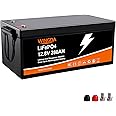
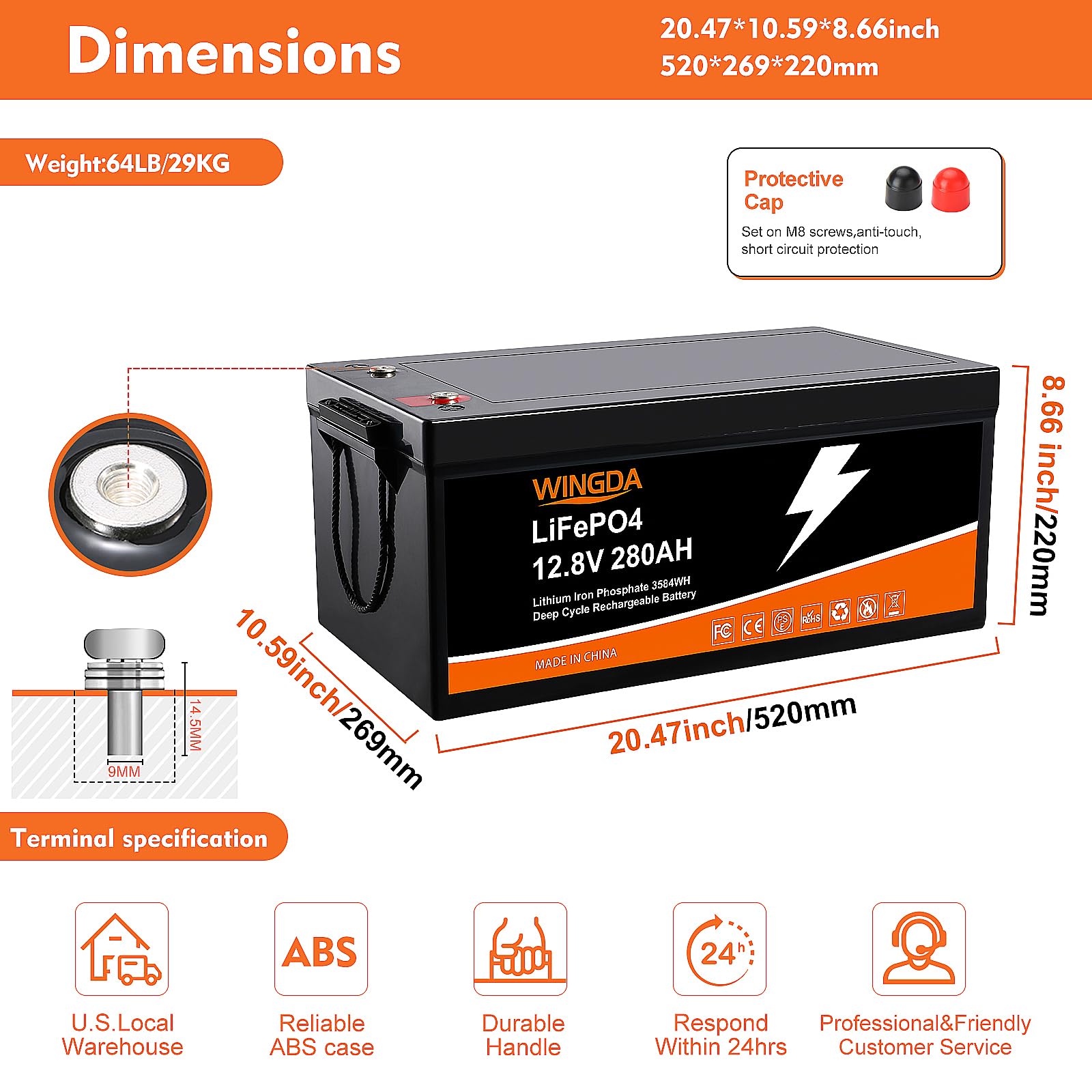
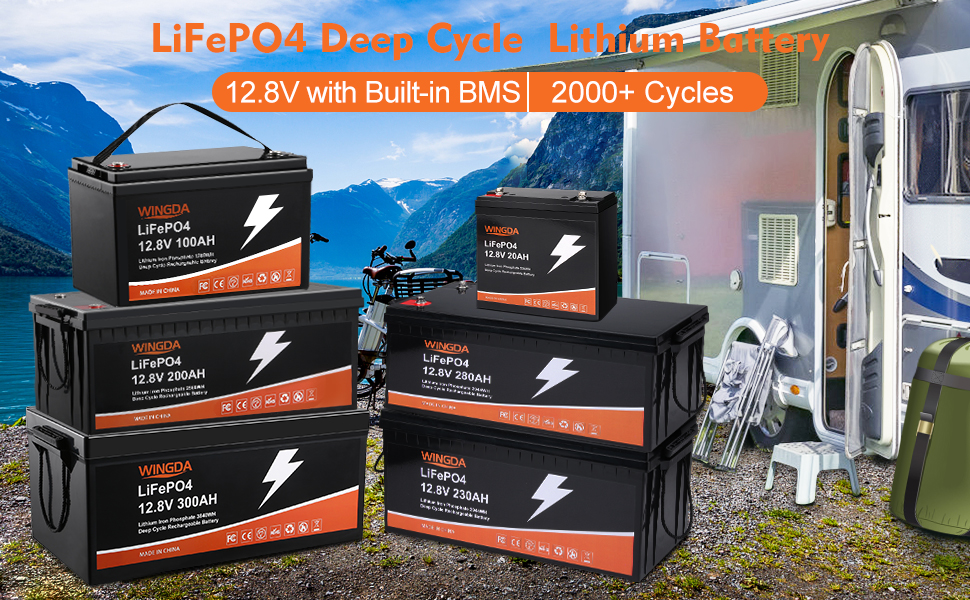
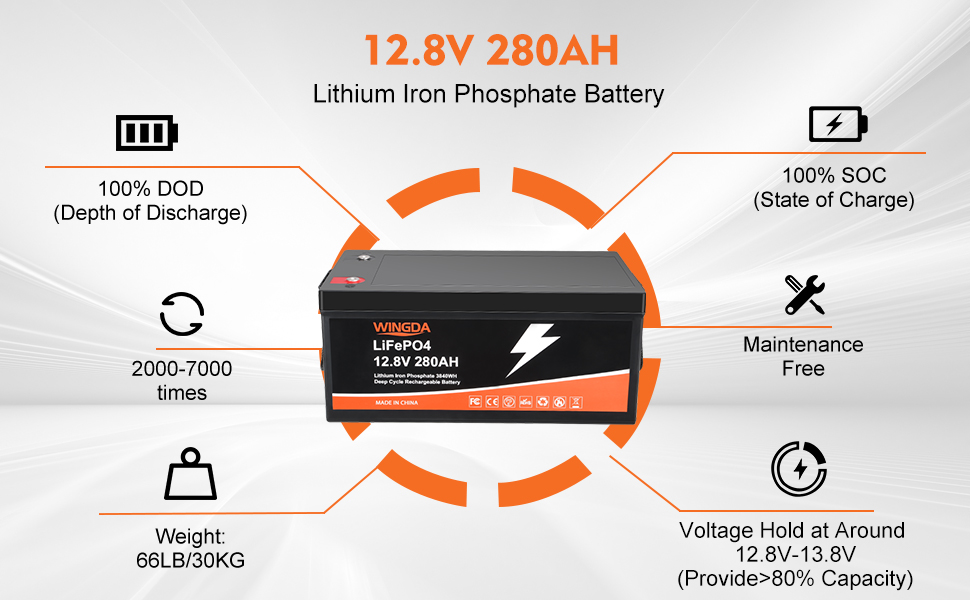
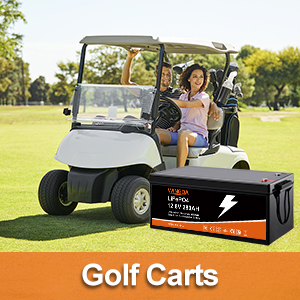
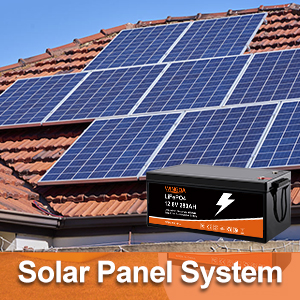
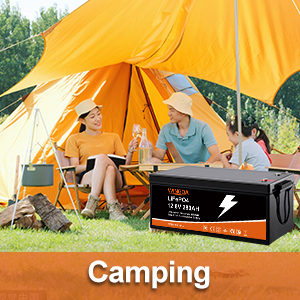
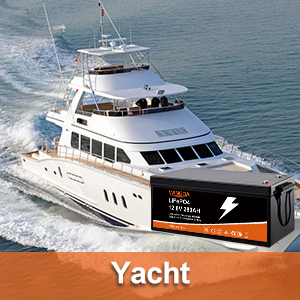
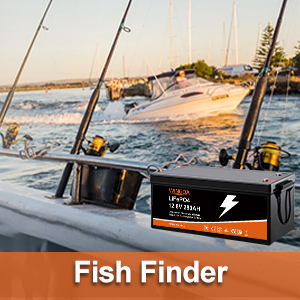
The WINGDA 12V 280Ah LiFePO4 Battery is a high-performance lithium battery designed for a variety of applications, including RV camping, solar energy systems, and marine use. With a built-in 200A Battery Management System (BMS) for enhanced safety, this battery offers over 5000 cycles and a lifespan of up to 10 years, making it a reliable and eco-friendly choice for outdoor power needs.
| Manufacturer | WINGDA |
| Brand | WINGDA |
| Item Weight | 64 pounds |
| Batteries | 4 Lithium Ion batteries required. |
| Manufacturer Part Number | W280-12V280AH |
I**W
Testing and Review of WINGDA 100AH Battery
The media could not be loaded. Testing and Review of WINGDA LiFePO4 100AH battery. This is not a sponsored review, I purchased the battery myself.I am very impressed with this battery as well as the WINGDA company. The 100AH battery tests as a 100AH battery, and behaves exactly as advertised. The WINGDA company itself went out of their way to provide customer service twice during the processing of my order. I was thoroughly impressed with WINGDA, and I will be recommending them.A couple of concerns I have are:1. **Update** After I posted my review the WINGDA company appears to have changed the BMS low voltage disconnect according to the Amazon page. This concern no longer exists.**Original Concern** The battery management system (BMS) has a low voltage cutout of 8.8 volts. At such a low voltage, it is possible to permanently damage LiFePO4 batteries. I recommend using a charge controller to protect your battery from low voltage. If you are depending on the BMS, then you are toying with premature battery failure.2. **Update** After I posted my review the WINGDA company fixed the Amazon Page. This concern no longer exists.**Original Concern** There are a few errors on the Amazon sales page about charging and discharging rates. All of the supplied documentation states a maximum charge/discharge current of 50 amps, but on Amazon you'll see figures of 20 amps or 25 amps. I tested the battery discharge as high as 30 amps and found it performed flawlessly. But the errors do create confusion and less confidence.3. The dimensions of the battery on the webpage are very good. The battery itself is slightly smaller, but if you used the advertised dimensions you'd have a small amount of wiggle room to let the battery breathe a bit. However, the height does NOT account for the battery posts. with the posts installed the height is actually about 9.5 inches, not 8.43. Since it would be rather difficult to use the battery without the posts, please take this into account when sizing your battery space.All in all, I found this WINGDA 100AH battery to be a solid battery which performed to specs. It is an excellent product and well worth the investment.
C**.
Pleased with my purchase
Ten years ago I decided to explore solar for off grid use. I spoke with a number of companies that wanted anywhere from $35,000 to $55,000 for an on grid system. When I started asking technical questions the answers I received, for the most part, were at best comical. I decided to figure it out on my own. The most expensive part of an off grid system is the batteries. I live out in the country and my house is total electric. I decided to just put most of the 120 volt needs on my off grid system and leave the 240 on the grid. I have a 48 volt system and I originally went with Duracell 6volt golf cart batteries, 24 of them to be exact. With a lot of babying and continuous maintenance I get 3 good years, at which they start to decline. I decided to go lithium this year and then started seeing the reporting of house fires because of electric vehicles, mostly bikes. I started looking for another alternative and found that lithium batteries are not all created equal. I discovered that iron phosphate lithium batteries were a lot safer and had better current drainage than the lead acid. I bought 4 of these batteries to give them a try. When your dealing with solar storage you will get all kinds of stats about amp hour storage. If you hear the amp usage of a certain appliance, that is AC amps. That has to be converted to DC. As a example 10 amps 120 volt is 110 ams 12 volt DC, it's 28 amps 48 volt DC. If you have 600 amps of battery storage the draw is significantly more depending on your system. Further 600 amp hours of lead acid batteries equals 300 amp hours. If you draw them down past 50% the fail sooner. With my 24 golf cart batteries rated at 650 amp hours and pulling 10 amps DC, I would usually get between 12 and 20 hours of usage with being attached to my solar controller. I know this is a long winded review, but most of my life I have figured out things for myself, sometimes it cost me more but in the long run it was worth the time and money. As such I like to share the knowledge I have gained. Now to the point of the review, I hooked the four 12 volt 280 AH iron phosphate batteries to my system. The charge as received was 13.2 volts or 52.6 since put them in series. My solar controller when charging was staying around 54.8 volts. When the sun went down, the batteries registered 54.8 volts. Supplying needed current for the house, when I checked this morning they were at 52.6 volts.So far I am pleased. I will write another review if there are any significant changes. God Bless you all.
Trustpilot
Hace 2 meses
Hace 2 semanas