Some deliveries may take a little longer than usual due to regional shipping conditions.

DOWNLOAD THE APP


Customer Services
Copyright © 2025 Desertcart Holdings Limited
DOWNLOAD THE APP
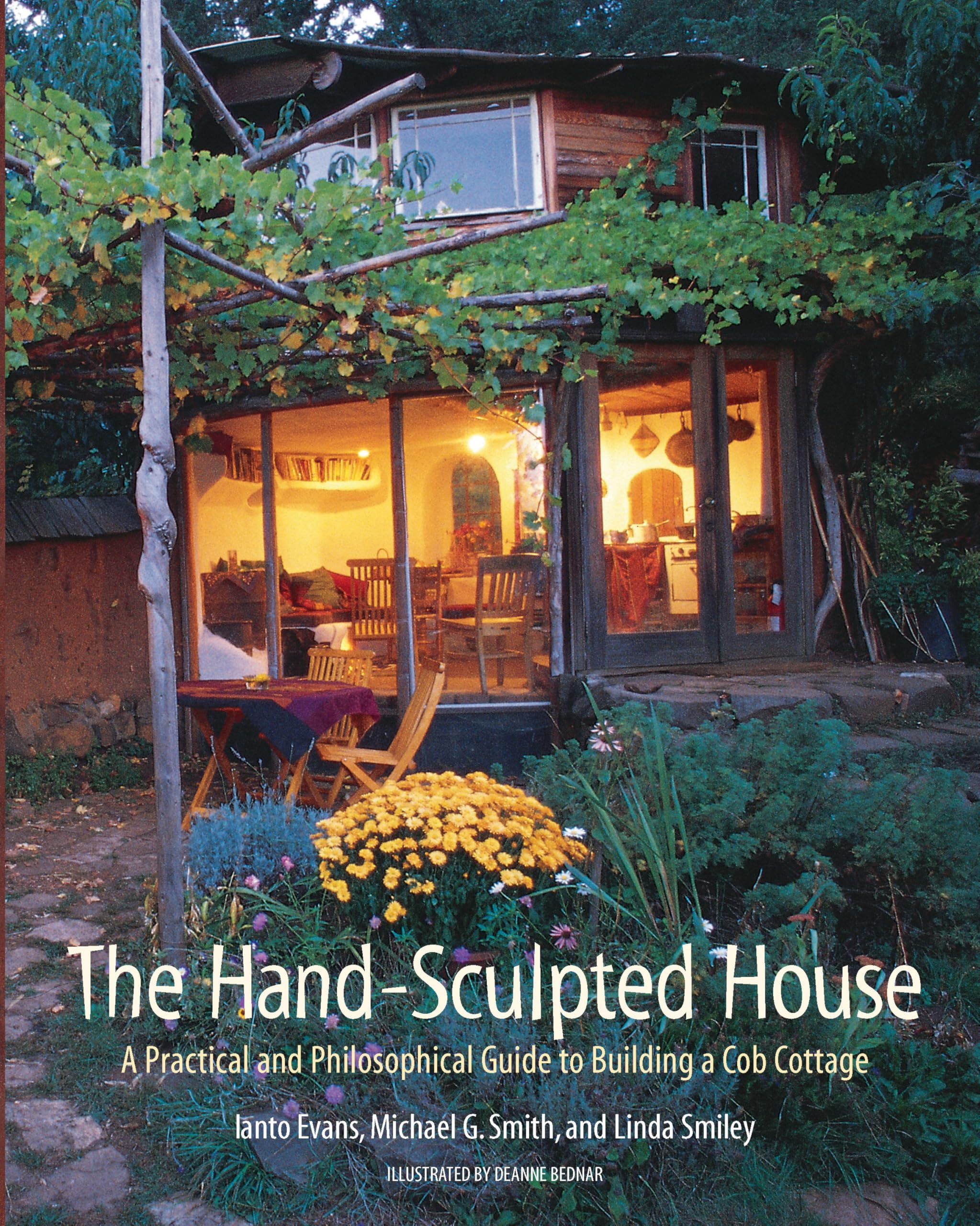
🏡 Mud, Mind & Mastery: Build a Home That’s Truly Yours
The Hand-Sculpted House is a comprehensive, illustrated guide by the Cob Cottage Company experts, blending practical cob construction techniques with sustainable living philosophies. This book empowers aspiring builders with decades of research, real-world insights, and a holistic approach to creating affordable, durable, and eco-friendly cob cottages.
| Best Sellers Rank | #593,012 in Books ( See Top 100 in Books ) #689 in Outdoor Figurine Lights |
| Customer Reviews | 4.7 out of 5 stars 422 Reviews |
R**E
About more than just cob, this book is required reading.
The Cob Cottage Company literally invented a building technique called "Oregon Cob". Their collective development includes not only high-quality cob mixing techniques, but also a holistic design and construction approach to suit both the building material and the sustainable living philosophies of the builders. The Cob Cottage Company has used this book to summarize more than a decade of research and development of both mind and mud. Each author has focused on one of three sections of the book and each contributes something unique. Ianto appropriately begins the book by not only giving a history of earth and cob building, but also by helping the reader redefine their view of housing. I've read this section 3 times thus far. It contains so many great ideas and insights that the reader may want to keep a journal to remember them by. The authors' ideas concerning intuitive design with natural materials are amazing, yet proven. Ianto is definitely critical of industrial architecture (he was a trained and licensed architect in the UK) and corporate control, but not in a way that is unbearable or preachy. I find these sorts of viewpoints incredibly refreshing when communicated so well, whether or not I completely agree with them or not. Evans covers virtually all aspects of site selection and home design while also including interviews with a few cob home owner/builders. This section is surely the real magic of this book and may greatly alter the reader's perceptions of both shelter and its relation to the surrounding environment. Part 2 describes the actual construction of a cob cottage. It is mostly authored by Michael Smith, who has authored another book detailing cob construction, "The Cobber's Companion". This section of the book provides plenty of helpful advice and creative ideas that the Cob Cottage Company and other cob enthusiasts have developed over the years. None of the authors pull any punches. They obviously have pursued their Cob Revival with intelligent passion, being certain that potential builders understand the potential pitfalls and the keys to success. They know that failed projects can do have as much impact on society's acceptance of cob and natural building than successful projects. Smith and crew really try to help the reader plan for success and encourage them at every step. While the reader would do well to take part in a cob building workshop for hands-on experience, they will get a very thorough understanding of the steps and techniques involved by reading this book. The authors' credibility on cob construction is never in doubt here. Part 3 is an Onward by Linda Smiley. She attempts to spur the reader on to the next step(s) after reading this book. The entire book is treated as a beginning to a rewarding journey, not just an end to its own means. Smiley provides valuable advice on attending and sponsoring cob workshops. She also expands upon Evans' introduction to alternative living ideas and encourages the reader to live in the moment. While this section is much shorter than the other two, it is important to the book. Ianto gets the reader fired-up about building with cob, Michael tells the reader how to actually do it, and Linda encourages them to put their new-found ideas into action. The Cob Cottage Company recognizes that cob is but one component of natural building. While the authors' passion for mud is ever-present, so also is their understanding of region and site-specific alternatives and constraints. The Cob Cottage Company integrates and shares ideas with the growing community of natural building enthusiasts, always attempting to create solutions appropriate to the need. Oregon Cob truly offers amazing potential for affordable, durable, healthy housing, especially to owner/builders who can greatly offset the dollar cost of a home with their own efficient labor. Cob offers much greater earthquake resistance than unreinforced adobe, creating a simpler building process that anyone can learn. My review would not be complete without admitting that this book gave focus to numerous nagging doubts that I've long had about American culture and homebuilding. Though I have worked in residential construction for nearly a decade, I could never quite describe exactly why I found our homes (and my job) so inadequate until I read this book. Though my worldview and opinions continue to evolve with each new day and discovery, this book was surely a milestone for me. It changed my life in ways I have yet to even realize.
T**E
Informative, Interesting, Fun & Illustrated
This is a great book. I often dream of living off the grid (but with a great supermarket close by and UPS delivery, of course). Considering I live in a flood zone and hurricane alley, a cob house may not be the best option for me specifically, but this book gives me hope that someday even I might be able to build my own cottage if I move out of Florida. But enough about me, here's some useful info you might want to know about the actual book you're thinking of purchasing... it is chock-a-block full of helpful illustrations, color photos and descriptions of the preparation of the site, the type of cob (mud & straw) you will need and how to prepare it and the actual building. You may or may not need a lot of friends to help you, it all depends on what size home you decide to build. It has pages of book & website resources in the back, descriptions galore of people who never thought they could build their own homes but have managed to do it and thrived in their own cob cottages and it's just such a fun read. It really seems doable and the 3 authors actually live in cob houses. Their stories are included as well. I especially found the option of not paying a mortgage very appealing. Cob houses can be one or two stories, they have been around for centuries in other countries and there are many even in the US. This book appealed to the architect I never became; it is engrossing in all its detail and it's written so well, that anyone can understand their method. Look into it, you will find it inspiring.
A**E
A compendium of experiences using and knowledge on cob.
First of all, let me say that I am quite new to the natural-building movement. I am currently researching all of the different methods for building homes in a non-traditional way (well, I guess traditional might not be the best word since humans have traditionally built homes naturally). Anyway, what I mean is that I am looking at alternatives to the widespread cookie-cutter stick-framed houses. I think that Ianto and Michael beautifully describe all that is involved in building with cob. They go through best practices and also what has not worked. They take their experiences with working with people from around the globe and learn from it. It is refreshing to read a book from authors who do not fall for the we-know-better-than-everybody-else mentality. They really are learners and now also disseminators off what they learned through experience and other professionals from around the world. While the book itself is filled with much information and I am confident that I could actually build a cob structure after reading it, the book also serves as a guide for further reading. In each section, the authors mention other resources that one can use to further his or her knowledge about that topic. Sometimes, those are other books by these authors, but most of the time it is books by others. All-in-all, this is a great reference book for everything cob. Probably my favorite book I have read on natural building methods.
B**.
an absolute delight, was even better than I had hoped it ...
One of the most jam-packed-with-practical-usable-insight-and-skills book I've ever come across, an absolute delight, was even better than I had hoped it would be. Great illustrations, great mix of theoretical and practical knowledge, and beyond that, hard won wisdom that could only come from someone who's put in the time actually doing this stuff. If you're on the fence, don't waste another minute reading reviews, just order the thing already! While working our way through this book, my wife and I participated in a hands-on Cob Building workshop, which was a great supplement to this book, if you can do so I'd highly recommend it (as do the authors of this book, who run workshops up in Oregon where they cover this material in-depth). Even so, I wouldn't pass up this book, it is a treasury of information on the topic of "alternative"/natural home building, in general, and Cob Building specifically, written by the key people who've revived this art for the rest of us, in our times.
S**T
Buy it, you won’t be sorry!
Read from start to finish. Detailed pictures and practical advice for DIYers.
A**R
Good resource of info
Just read some pages of it. A general exploration of the book lets see that an ample scope on the subject are covered. I am sure i will learn many things on this book. What could be better? The publishing of the book itself. May be better paper quality color and photos. Illustrations are nice.
F**R
Wonderful book
Amazing and inspirational book. Too bad I probably will never have the chance to implement all the amazing ideas in this book. Still, it is good to keep dreaming.
V**S
The Best Book Written About Cob!
This is the premiere book on Cob and all things Cob. If you found this book while looking for a book written by Michael G. Smith then you're in luck. This book was co-written by Michael G. Smith who wrote the predecessor called The Cobber's Companion. If you can track down a used copy of that book then grab it. If not, this book has far more information. Besides, once this book wets your whistle for more Cob then I would recommend you take a course with Ianto, Michael, or Sundog. The guys at Sundog were both students of Ianto's and they will teach you everything you want to know about Cob in less then seven days. Anyway, back to this book. It's got everything you want. It's really the foundation you want to start you on your journey. However, nothing can replace one on one attention where you get to ask questions. So, buy this book, then take a class. I'll post links to the websites below so you can find them easily. [...]
Trustpilot
1 month ago
1 month ago